



(Listen & Subscribe on Apple Podcasts, Stitcher, Spotify, iHeart or TuneIn)
When you don’t feel safe in love, it doesn’t just stay in your relationships. It lives in your nervous system, in your breath, in the way you walk through the world. That’s what unhealed attachment wounds do. They shape who you choose, how close you let people get, how quickly you shut down, and how long you stay in patterns that hurt. Healing this isn’t “nice to have.” It’s foundational. It’s how you create a body that feels like home, relationships that feel like a soft place to land, and a life that isn’t run by old fear.
This conversation is an invitation into that kind of safety. We go right to the roots of your attachment style, so you can understand why you react the way you do, how to gently rewire those patterns, and what it looks like to build secure bonds as an adult. You’ll learn how healing in relationship actually works, how to become an anchor for yourself and your kids, and how somatic tools help your body finally exhale years of stored stress and trauma. If you’ve ever felt “too much,” “not enough,” anxious, avoidant, or totally lost after conflict, this episode will give you language, validation, and practical steps to move from survival mode into grounded, secure connection.
About Jessica Baum
Jessica Baum, LMHC, is a psychotherapist, author of Anxiously Attached, and the founder of The Relationship Institute of Palm Beach and the Self-Full® Method. With more than 12 years of experience, she specialises in attachment theory, trauma, addiction, and relationship repair. Her work blends neuroscience, somatic healing, and practical tools for creating secure bonds, so you can feel regulated, resourced, and deeply connected in every area of your life.
In this episode we chat about:
- How Jessica began supporting people on their healing path (2:30)
- What attachment actually is and the main attachment categories (3:57)
- Simple ways to identify your own attachment style (5:44)
- How to heal adult attachment wounds and support your children’s secure attachment (6:46)
- What to do if you feel you don’t have an external anchor or safe person (9:07)
- Whether your partner can be your anchor and what that looks like in practice (11:35)
- If therapeutic attachment work needs to happen in person or can be done virtually (12:48)
- The meaning of “earned security” and how to cultivate it as an adult (14:16)
- Whether you can heal if your partner isn’t doing the work with you (16:01)
- Jessica’s “wheel of attachment” explained (17:07)
- What to do when someone you thought was safe turns out not to be (21:33)
- How trauma releases from the body and what that can look like (24:32)
- Whether trauma releases quickly or needs revisiting over time (27:19)
- How to recognise when you’re in a safe relationship but pushing love away due to old wounds (29:54)
- How to move out of victimhood and into self-leadership (31:47)
- How to show up for your kids so they grow with a secure sense of self (32:23)
- How healing your attachment wounds can transform your business and leadership (43:08)
- What somatic work is and how to begin, even if you feel disconnected from your body (45:04)
- How to find a therapist trained in Jessica’s approach (48:56)
Episode resources:
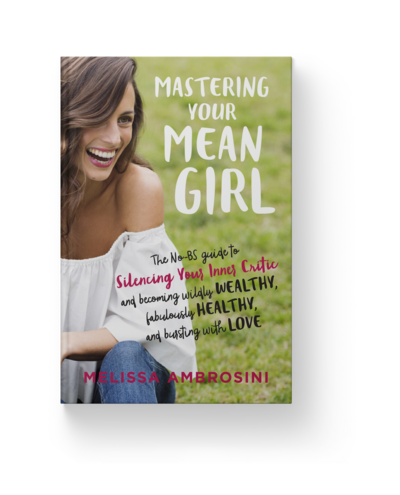
- Mastering Your Mean Girl by Melissa Ambrosini (book)
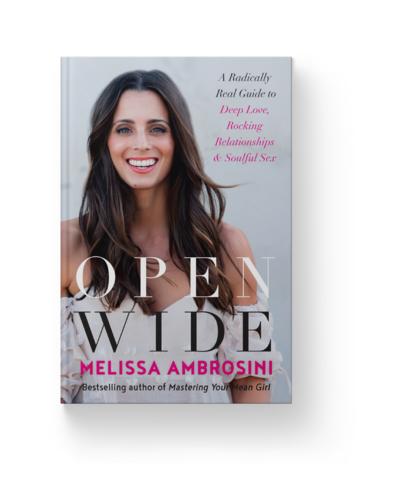
- Open Wide by Melissa Ambrosini (book)
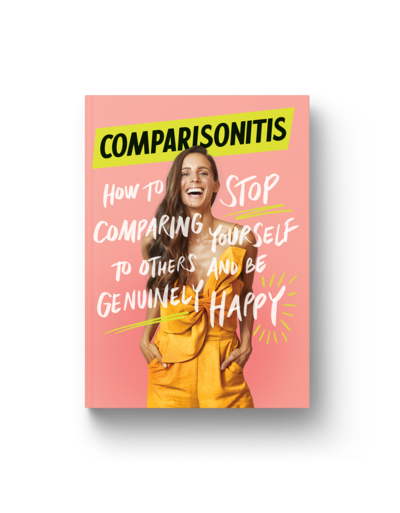
- Comparisonitis by Melissa Ambrosini (book)
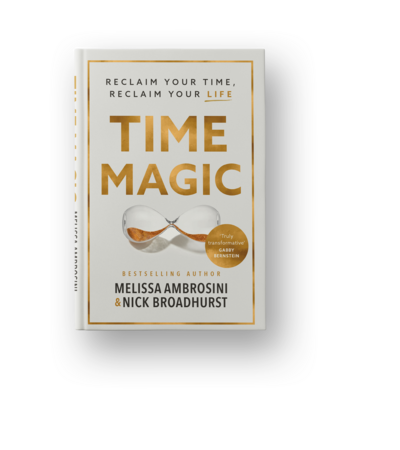
- Time Magic by Melissa Ambrosini and Nick Broadhurst (book)
- Jessica Baum (website)
- Jessica Baum (Instagram)
- Safe: An Attachment-Informed Guide to Building More Secure Relationships by Jessica Baum (book)
- Anxiously Attached: Becoming More Secure in Life and Love by Jessica Baum (book)
- Secure Love: Create a Relationship That Lasts a Lifetime by Julie Menanno (book)
- Us: Getting Past You & Me to Build a More Loving Relationship by Terrence Real (book)
- Becoming the One: Heal Your Past, Transform Your Relationship Patterns, and Come Home to Yourself by Sheleana Aiyana (book)
Prefer To Read?
The following transcript has been automatically generated and not checked for accuracy.
Melissa: [00:00:00] The Melissa Ambrosini Show. Welcome to the Melissa Ambrosini Show. I’m your host, Melissa bestselling author of Mastering Your Mean Girl,
open, wide, comparisonitis and Time Magic, and I’m here to remind you that love is sexy, healthy is liberating, and wealthy isn’t a dirty word. Each week I’ll be getting up close and personal with thought leaders from around the globe, as well as your weekly dose of motivation so that you can create epic change in.
Your own life and become the best version of yourself possible. Are you ready? Beautiful. Beautiful. Hey, beautiful. Welcome back to the show. I’m so excited about this episode because we have the incredible Jessica Bal with us now. She is a licensed psychotherapist whose journey began with a lifelong curiosity about the whys of life, why we feel, connect, and experience the world the way that we do.
Now this passion led her to [00:01:00] specialize in trauma, attachment theory and interpersonal neurobiology. Now she believes that connection to ourselves and others is at the heart of healing, and she uses a range of modalities to help individuals and couples return to wholeness. She’s also the founder of the Relationship Institute of Palm Beach.
A private group practice and she leads a global coaching company offering support to clients worldwide. She’s also a certified addiction specialist and couples therapist with advanced training in EMDR experiential therapy. CBT and DBT and her best selling book, anxiously attached, becoming more secure in life and love established her as a trusted voice in the healing of attachment wounds and building secure, fulfilling relationships.
And she’s also the author of safe, an Attachment Informed Guide to Building More Secure Relationships. And for everything that we mention in today’s episode, you [00:02:00] can check out in the show notes, and that’s [email protected] slash 6 8 2. Now, without further ado, let’s bring on the incredible Jessica Baum.
Jessica, welcome to the show. I’m so excited to have you here. But before we dive in, can you tell us what you had for breakfast this morning? For breakfast.
Jessica: I think I had just an apple. Yeah, just an apple for breakfast this morning. Yes.
Melissa: Well, like I said, I am pumped to have you here. I wanna hear about how you got into this work.
How did this all unfold for you? How I got into attachment work or therapy work or both? Did you just grow up knowing that you wanted to support people in therapy? Like how did this all happen for you?
Jessica: No, actually I had like a couple careers before, but I struggled and I explained it in my first book and anxiously attached that.
I struggled with a lot of anxiety and [00:03:00] depression and there was a point in my life where I had so much anxiety that I was hospitalized for a day, but I didn’t know what was going on for me. And I read the book Facing Codependency. It like changed my life and, you know, I had other careers, but I ended up being a self, a self-help writer to write to that part of me that struggled because when I started to really deeply understand attachment theory and interpersonal neurobiology, I was like, oh, that’s.
Such a better way of understanding quote unquote codependency. And so, you know, I helped couples, I’m an Imago therapist. I help individuals with relationship and trauma issues. I study interpersonal neurobiology. I wrote my first book, I was on your show I think three years ago. It’s doing phenomenally in the world.
And it led to my second book, which is a deeper dive into attachment and how to heal attachment wounds and the
Melissa: science around healing. Okay, so I love this. Let’s go there. First, I wanna talk about [00:04:00] attachment because I feel like so many adults are probably walking around not even realizing they are codependent or playing out very unhealthy attachment styles.
So talk to us about this.
Jessica: Yeah. So when we’re born and we’re relating to our primary caregivers, we’re, you know, biologically wired to stay in connection and we adapt according to their nervous system and how they’re tuning to us. And there’s four categories, although in my in safe, I talk about the wheel of attachment ’cause I really don’t want people to get stuck in a category.
But these are the typical patterns and they’re, it’s a very well studied science, so they’re secure. There’s anxious. There’s avoidant and then there’s disorganized, and some people call disorganized fearful, but the scientific word is disorganized, and anxious can be referred to as anxious, ambivalent. So depending on how our primary caregivers showed up.
Whether they, you know, anxious babies tend to leave themselves, this is [00:05:00] the codependency. They tend to leave themselves and they can attune to the other, and they co-regulate their, their mother or their primary caregiver and they grow up like really reading the room and under and meeting everybody else’s needs.
And they tend to lose themselves. And a selfa abandon in relationship where avoidant. Children tend to not connect. Their parents don’t connect as emotionally, so they’re more like they, they grow up more in their left hemisphere. They become super independent, self-regulating. They, they really struggle with vulnerability and so you can kind of tell where you might fall or where, where you might like land.
Also, I talk about we have more than one attachment pattern stored in our nervous system, so it’s really important not to get boxed in with one.
Melissa: Okay. So how can we identify which one we may be leaning into a bit stronger?
Jessica: Yeah. Like I said, so anxious, ambivalent, anxiously attached are individuals who tend to abandon their own needs and know the needs of another more [00:06:00] than they know their own.
They tend to usually get bigger when they want for help. They will ask for help they people please a little bit more. They lose their sense of self very easily. And then the other side of the spectrum, the avoidant, is people who shut down a lot and struggle with co-regulation and asking for help. They struggle with vulnerability, but they tend to be very like focused on tasks.
And career focused or focused on things that they can control in that way. And, you know, anxious and avoidant tend to attract each other. So there’s a whole lot, lot we can go into as to why that happens. And I dive deep into the anxious avoidant dance. But it’s all around nervous systems. And when nervous systems feel sad, scared, or when they need connection, and how they adapt to that connection.
Melissa: So there’s two pieces I really wanna dive into. I wanna dive into, firstly, how can we help the adult heal these different parts within ourselves? And then I wanna talk to the second piece is what can we do for our children? I have two little [00:07:00] kids so that they don’t need bucket loads of therapy when they are old.
How can I support them now? What can I be doing? So which part do you wanna go first?
Jessica: It’s really the same answer for both. Like you can’t show up for your kids until you’ve healed with your nervous system in a state of safety. That’s what safe is about until you’ve healed these parts. So the more you’d work on yourself and meet these parts, and we can talk about the science of healing, the deeper you, you have a capacity to hold and meet your kids in these states.
So I would always say that anybody’s listening. Repair is also very possible. We have our nervous systems. This is intergenerational and slowing down to do the work, which I spell out in the book, and to heal and meet like our abandoned parts and our, you know, our scared parts and have them anchored and be with more of what’s going on inside of us.
When we develop that capacity through healing relationships, we have the capacity to show up in a deeper way [00:08:00] for our children.
Melissa: Mm-hmm. Okay. So what are some of the things that we can do? Today, today to start healing that within ourselves? Yeah, so in
Jessica: safe I talk about the science of healing attachment wounds.
And so attachment wounds are things that happen when we’re really small and what was wounded in relationship has to be healed in relationship. So a lot of the work is somatic work around sensations in our body, in our bodies that are stored sensations around attachment wounds. And we have to be able to go there in.
Safeway within a container with another anchor, and I, I spell out what an anchor is. So an anchor is someone who has a nervous system in a state of safety most of the time. And they don’t judge us and they don’t have an agenda, but they hold our own experience. When we go into these places within our body and they anchor us, if we digress, their nervous system becomes a container so that we can meet these younger [00:09:00] parts of ourselves and they can receive what they didn’t get at the time of the original wound.
Melissa: Mm. So good. Okay. So what if someone listening is like, I don’t know who that person is. I don’t have anyone in my life who can hold that space for me. Then what?
Jessica: You know, it’s like, I wanna be honest, like writing a self-help book and the challenges I’ve had is that so many people feel that way and so many people wanna pick up a self-help book and like heal themselves.
And when you really understand and there are like big people out there in the world that are like, you can create your own safety and this and that, and. When you really understand interpersonal neurobiology and you really understand the science of healing, you know that healing requires another nervous system and a witnessing.
And so if you don’t have anyone, you’re not alone. Literally, people come to me all the time and like, I don’t have an anchor. I don’t even know where to. Start, you can resource anchors that you might have had earlier in life. And part of the [00:10:00] work is looking for people who will co-anchor with you and will help be there for you as you’re moving through the somatic exercises.
And I would say you can go through the book and you could heal some of these parts, but if you really. In the experience of coming in contact with earlier wounds, you need an adult anchoring to help you move through that. And that’s the science And I, you know why I feel so passionate about this is when I read Codependency No More and I was 19 or 20 years old, I had every single self-help book one could get their hands on.
And I, you know, I was determined and I, and I loved it. It’s no coincidence that I became a self-help author because they really spoke to me and they brought me comfort because now I could name what was going on and there was a reason and I wasn’t crazy anymore. And my book will do that. It will help you with those things, but.
What I didn’t know is that I couldn’t heal what I was going through alone. I could become independent. I could become [00:11:00] successful. I could read every book, but to move my trauma to heal my attachment wounds, I really needed a certain kind of holding a certain kind of anchoring. That’s what the science says.
And so I can’t do an injustice and write a book and say, Hey, you’re gonna heal your, like, no, we need people to heal. But I do talk about how to find your anchors in the book. And I do talk about doing the work enough until the anchors come along, until you su out who might have the capacity in their nervous system and who might have the capacity to start holding some of these earlier wounds with you.
Melissa: Could your partner be that anchor? I’m presuming you’ll say yes if they can hold the space, but what if they can’t? Don’t go to them.
Jessica: I think, you know, I think when we’re learning or we wanna move towards inner security, we learn who has the capacity and who doesn’t. And I think we get stuck in trauma bonds and trauma loops.
I know I did when I kept going to a partner [00:12:00] who was emotionally unavailable. So the truth is. We get stuck in going towards what we know and I talk about the familiar and if you’re in a relationship and your partner has the capacity. Absolutely. An a mago therapist and many people can be anchors for each other and often like our earliest states can terrify our partner or they might not know how to show up or they show up in the exact way that our parents showed up and they kind of.
Rewo the original wound, so that’s not their fault. But we do need to find people who have the capacity, and that might not be who you’re partnered with, or it might be who you’re partnered with, or sometimes a couples counselor can help two people hold that space together so that they can
Melissa: develop the capacity.
Mm. So interesting. I know lots of people listening right now probably thinking, who is that person for me? Who is that person? And maybe like you said, they don’t have that person, and that’s okay. I’m curious to hear your [00:13:00] thoughts on whether this type of work can be done via Zoom with someone, or it has to be in person
Jessica: via Zoom.
I did my deepest work with someone who lives in Washington state, and I live in Florida and mirror neurons and residence circuits, and honestly. It worked for me. I am such a big believer that virtually we can meet each other so well. I’ve done my deepest work virtually in my home, regressed, and then guess what?
I don’t have to get in my car. I don’t have to drive anywhere. I book it at the end of my day and virtually definitely has so much potential. And then some people wanna be in person, but it is not necessary.
Melissa: No. Okay. That’s good to know. Someone listening. Well, even myself, my best friend lives in a different state and she is definitely an anchor for me.
And I was just thinking, oh, it’d be so nice to have her here, like to have a session or to dive deep together, but you’ve just clarified for me that it doesn’t need to [00:14:00] be in person.
Jessica: No, but it, and it can be over the phone, but it would actually be great if it was Zoom and the person could look at you and witness you as you’re experiencing whatever you’re experiencing, so that you feel seen in whatever you’re going through.
Melissa: Mm-hmm. Okay. So you talk about earned security. I wanna dive deeper into that. What is it?
Jessica: Yeah, and I, I, I think there’s a link that my team might have gave you where I talk what it feels like to move from insecure to security in the body for 40 minutes. But I’m gonna give a little bit of a, a shorter version.
So when we’re small, we internalize our parents. We internalize every meaningful person in our life. And if our parents were more on the anxious side, more on the avoidance side, or weren’t emotionally present and attuned to us, or weren’t emotionally available enough, we internalize anxious or avoidant feelings inside and we walk around the [00:15:00] world.
Maybe fear of abandonment or some deep insecurities inside because our parents didn’t have the neuroception of safety. So for us to internalize a sense of safety within, we really need safe holding as infants, and so many of us, myself included, did not get that. So as adults, due to neuroplasticity and due to what we know the brain does, we can internalize.
People again. So this is where anchors come in and this is where safe holding and being with these younger parts. When we meet these parts and we do this work with a safe person who’s in a eventual state, who’s with us, we are experiencing earlier states and now they’re are accompanied and that’s.
Safety from that other person becomes internalized through mirror neurons and through resident circuits. We literally take them in and it develops an inner sense of security the same way an infant would do if they had really secure parents. Hmm.
Melissa: [00:16:00] Okay. Can you heal inside your relationship even if your partner is not doing the work?
Absolutely.
Jessica: I mean, and I, I healed in one of my relationships. I’m not in the relationship anymore, but my partner decided that he just, I, I don’t blame him. He didn’t wanna do the work anymore, and I just kept showing up and some of his behaviors woke up a lot in me. But you have so much agency, you just need an anchoring person.
You need safe, supportive people to do this work. It does not have to be with your partner. It is wonderful and beautiful when you can do it with your partner, and I love watching relationships get conscious. I think there’s a problem. I wanted my partner to do it and. Some people don’t have the capacity to go there or the desire and we can’t force another person to go deeper into this work.
We would hope that they could, but that was one of the hardest lessons I learned. But it didn’t stop me from doing my deeper work and, and gave me a lot of agency [00:17:00] to know that no matter what, I was gonna keep showing up for myself in this way and continue to get the support to heal these deeper wounds.
Melissa: Can you dive deeper into the wheel of attachment? I’d love to hear more about that. Sure. So, and
Jessica: there’s a free link for the wheel for your audience specifically. So there are, there’s four attachment styles, and I’m gonna, it’s gonna be harder for people who are listening, who are not watching, but at the bottom there’s security, and at the top there’s disorganized.
So disorganized is terror and it’s the most severe. You have nowhere to orient to. So you have the bottom is security. The top is disorganized. The right is anxious, and the left is avoidant. So on the wheel with one parent, you can have secure experiences and you can have, let’s say you have some anxiety, so you, there are just a little bit anxiety, so they live between security and anxiety.
Right? I’m sure you can identify with that, right? We all have a little bit of that. As the anxiety increases into anger and [00:18:00] violence and rage, you get to disorganized. As the neglect on the avoidant increases to real neglect, you get to disorganize. So it’s almost like you’re churning up the volume on each side to get to disorganize In one household, you can have every single attachment experience with one person.
You can have more attachment experiences. You’re less likely to have secure and disorganized at the same time, but you’re likely to slide up the scale. And so understanding the wheel of attachment. Basically helps everyone out there that loves attachment theory, understand it from a more holistic point of view, starts to see how we, how we get to disorganize and how we get to security, and how one parent can float in between, and how one relationship can have pockets of security.
Pockets of avoidance, pockets of anxiety. So in the book, you do your early wound and then you overlay it with your current relationships to try to see what [00:19:00] patterns are repeating in your current life and where we can start to heal and break those patterns that are happening.
Melissa: I just feel like this work is so important and essential, and every single human being on this earth should be doing it.
Imagine if everyone started doing this work, we would be in such a different place and we would be raising very different children. And I know for me, like I look at my children and that is the biggest motivation to do this work. It’s such motivation.
Jessica: You know, I think my parents didn’t have it so easily.
They pushed avoidance and workaholism and and what they knew. And I think when you slow down and you do this work, you’re like. Holy shit, right? Like you’re healing intergenerational things and I think it takes a lot of courage, but if you don’t do the work, I talk about implicit memory and I talk about patterns.
You are likely to repeat certain patterns and wounds over and over and over. So [00:20:00] avoiding the work actually hurts your decision making and hurts you and gets you stuck in these situations. I just remember getting to a place in my life where I was like. I don’t wanna end up with the same scenario over and over again.
I, I need to do the work. I need to make some real changes. And if, if you don’t, your abandonment wound will likely show up and manifest in another way. So it is really important to do the work and also to have the safe people to start to do the work with as well.
Melissa: And a lot of it comes back to awareness and.
Making that conscious choice to do the inner work, no one can do it for us. Like I wish someone could do it for us. Imagine you could just type a prompt into chat GBT, and it did it for you. It did the inner work for you. How good would that be? But it’s not possible. No one can do that inner work for us.
We have to do it.
Jessica: And as a therapist who has written two books about it, like there’s no amount of intellectually knowing. That gets you out of doing your [00:21:00] own work as well. So I feel you. I had to walk through it and when I wrote, wrote my first book, I thought I had done a lot of work. And the truth is the second book was really born of a lot deeper work that I just had no idea was gonna be in front of me.
So I share very openly about my attachment wounds and my work because I think it’s important to know that US therapists need to do the work too. We need to be moving through that end. And, you know, kind of doing what we’re preaching.
Melissa: Yes, we all need to do the work Now I had a therapist once that definitely wasn’t an anchor and I shared everything.
You know, I had been through, or, or what was going on for me and for an hour. And then at the end of the session she was like. Okay, cool. So we’ll chat in two weeks. And I was like, that’s it. That’s all you’re gonna say to me. Like, I just felt so raw and so [00:22:00] vulnerable and then that was it, and I never saw her again.
So what would you say, what is your advice if someone thinks someone is their anchor and then they realize that they’re not, what can we do?
Jessica: Yeah, I think, well, if you’re looking for a therapist or an anchor and you’re doing this work, if the therapist or the anchor isn’t saying, where are you feeling that in your body?
Slow down. Let’s be with that. Oh, I imagine that is really hard. And kind of picking up on this piece about being with your body. I think talk therapy is one thing, and it’s one thing to talk and feel seen, but really this work is about getting into your body and starting to understand implicit streams and holding.
Holding parts of yourself somatically. So through sensation, I talk about how sensation is how we store attachment wounds from zero to four. And if a therapist is just talking to you and they’re not going there, or they’re not seeing you, or they’re not slowing you down and they’re [00:23:00] not with you, like they’re not with you.
That defeats the whole point of therapy. Like we wanna feel like we’re joined. And actually the whole book of safe is the anchor does not need to be a professional, but it needs to be a person, Melissa, who’s like slowing down and is like, I see you and I am with you right now. I am tracking you. I’m attuning to you.
I am helping you hold this. You are not alone in this experience. And that is probably the most important quality in a friend, in a therapist, and, and, and anyone that you’re turning to trust is that they have the capacity to just slow down and help you feel not alone in your human experience. And so, I’m sorry.
I’m so sorry that you had that experience. I actually wrote this book. For people, if you’re listening to take to your therapist, take the work to your therapist, it’s literally a companion to help the therapist to hold these parts [00:24:00] like I believe that most therapists are trying to do well. And we’re just providing a little bit more of a roadmap to heal the attachment wounds in this book for for therapists who wanna hold that type of space.
Melissa: Yeah, one of my best friends, Sally is absolutely brilliant at this. She is so brilliant, and she’s not even a therapist, you know, she hasn’t trained in this, but she’s a coach and she gets it, and she just says everything that you just said so beautifully and so perfectly. So, I’m so grateful that I have her in my life.
And it’s interesting because there’s a memory that I have that I’ve done so much work on. Well, there’s something that happened to me when I was six that I’ve done so much work on, and I remember many years ago saying to a therapist, I feel it’s still in my cells. No matter how much work I’ve done. I logically understand why that happened the way that it happened.
Like I [00:25:00] understand. And I still feel the trauma in my cells. So how do we release that trauma?
Jessica: Yeah, so from the interpersonal neurobiology lens, it would be going back to that event, and it’s not about getting rid of it, it’s about re-experiencing it with support. And part of it is about unconditionally accepting that it’s part of you, like this is part of you.
Trauma’s not about getting rid of things. When we are held and we’re in safe places, neuro nets open, memories open, and we go back to the original event. And usually if, if we can receive what we didn’t get, protection, valid anger support, and we can go back to that event enough when we’re accompanied with the appropriate reaction and the appropriate support, eventually the memory changes.
It doesn’t disappear. But now it’s just [00:26:00] not this traumatic memory. It’s now what we’ve coupled with it and the support that you’re receiving around it more and more and more helps the memory. The memory becomes not just terror or what shame or whatever now it, now it’s being met with met over and over and over by another nervous system through a mutual experiencing.
So the memory changes, but it doesn’t go away. Like I have a memory of myself. In an apartment and I was four and I was terrified and I had to like re-experience it in my current apartment, and this sounds weird for the listeners, but I went back and I remember telling my therapist about this and I was complete terror.
But now, and this is a lot of revisiting that really terrified little girl. Now when I think about that apartment, my therapist is right there in there with me. So the memory doesn’t go away, but now we’re changing it by having it accompanied in a certain way over and over and over again. That’s how we heal.
Attachment wounds. The abandonment that you [00:27:00] might’ve felt on a bad day or your parents never being there for you, that doesn’t change, but now someone’s with you in that original experience holding that with you and enough holding changes, the actual feeling inside your body, the felt sense around that memory changes.
Melissa: Interesting. And can it happen quite quickly for a lot of people or is it more of revisiting over and over?
Jessica: Well, I mean, I was stuck in that apartment for many years, so my implicit needed a lot of support. It was, for me, it wasn’t so much a revisiting, it was when my nervous system finally allowed someone to go there with me.
It really depends. Everybody’s so unique, uh, in, you know, I’m not saying you have to revisit forever. It’s, you need what you need and I don’t get toter determine, and you don’t get to determine what you need. Your body will tell you exactly what you need. If you need to go there a lot. If you don’t need to go there a lot, your system will ask for [00:28:00] what it means, and it’s the therapist’s job or the anchor’s job to just follow that
Melissa: consistently.
I have to tell you about one of my favorite brands that I use every single day. Hydrogen Health. I’m completely obsessed and there aren’t many brands that you use every day, but this is one for me and I get asked all the time about what water filters I love and use, and these are it my. So you can pop their benchtop filter on your bench.
So you always have clean, filtered water for you and your family to drink. We even travel with ours, so we pop it in the car and we take it to our Airbnb or hotel or wherever we staying. I also love to travel with their shower filters. So we take two and a spanner and we put one. Under the kitchen bench.
So we are washing our fruits and vegetables in filtered water, and then we put one on the shower so that we are bathing in clean, filtered water because our skin is our [00:29:00] largest organ and it drinks whatever we put on it. So you can bed that. I am showering in clean water when I travel, and every single day I also use their water bottle every day.
Their hydrogen skin, Mister for my skin and their portable molecular hydrogen breathing system, which this is the only one that I don’t use every single day. I usually do it when I’m working or when I’m meditating, but when I do do it, I love it. And I love health and these products make taking care of myself even easier.
Now you can use the code, Melissa, to get 20% off everything that I just mentioned. All you have to do is head to hydrogen health.net au and use the code, Melissa to get 20% off everything. How can someone start to recognize if they are in a safe [00:30:00] relationship, yet their stuff is being brought to the surface and they start unconsciously pushing it away?
How can they start to recognize that, that, that those old detachment wounds are playing out?
Jessica: Yeah, I would say that sometimes when you’re in a relationship, the sensations going off in your body are usually an indicator that this is happening now, and this has happened before because of the way we understand how memory works.
So usually the bigger the sensation in the body, the likelihood that you’ve experienced this before and younger, so. If your partner screams at you and you freeze and you could feel it in your whole body, it’s like that, that type of fear might have existed before. Or if your partner leaves you, you know, you feel abandoned and your whole body kind of sinks or your gut drops or your heart, you feel sensations in your heart.
We know there’s a younger part of you that has been dropped or left or, [00:31:00] and it’s awakening all these, I don’t even like to use the word trigger. I say it’s awakening younger parts, so I know like. My body speaks to me, and I can honor and have a relationship to any kind of memory that surfaces now based on the sensations that are going on in my body, based on the science.
I think that’s probably the hardest concept to get to the average person. Like I’ll be doing therapy with someone, Melissa, and I’ll be like, oh, what are you feeling in your chest? And they’ll be like, it’s like a stabbing feeling. And I’m like, okay, now I know that this is. Earlier or like a, a heaviness, like I know that this has existed for a while.
I know that this has been here before. So linking the sensation to earlier experiences is part of what safe helps you do. But that’s a big jump for a lot of people who don’t think of memory that way.
Melissa: And where is the line between doing the inner work and healing and then, you know, I feel like a lot of people, they get stuck in the victim of it.
And [00:32:00] why me, poor me. That happened to me. Like how can we jump from that victim to the empowered this happened and I wanna move forward. You know
Jessica: what I mean? I think more people get stuck in that My childhood was great, my parents really loved me, and they’re so out touch with what their real
Melissa: experience was.
So interesting that you say that because. I do say my childhood was wonderful and there was definitely physical presence, but emotional presence definitely lacked, and I have a memory that my mom used to always be late to pick me up from school, and I hated it. I felt abandoned. And she would get there and she would always say, oh, sorry darling, I forgot.
Or I was at the shops and I just, oh, forgot. And that made me feel so [00:33:00] abandoned. Not important. You know, all these different things and what do you call that, that’s like a simple story. Like that’s not even like something super traumatic, you know? But for me that was very traumatic. And so now with my own daughter, I make sure that like I’m so present, I show up when I’m gonna show up and I’m there and like when she walks in the door, I greet her and make her feel really seen.
And. Important. Even if she was only gone for like a short period of time. I’m like, how are you? What did you do? What did you discover? Because I didn’t get that. So I can see how that affected me and how I don’t wanna replay that.
Jessica: Yeah, absolutely. And I think you’re healing a part of you by showing up for your daughter in that way.
And some parents overcompensate, which is not what you’re doing, but they’ll overcompensate. I got treated this way, I’m never gonna treat. And they’ll go to the other extreme. But I think it’s a good example because. In a six year old’s world, in a seven year old’s world, [00:34:00] our parents are our world. And when a parent doesn’t pick us up consistently, I imagine in that little body of yours, you were sunken in, you were sad, you were frantic.
There was a lot going on. So yes, looking at it big picture, we’re like, okay. But looking at it from your perspective of what was going on in your body, it was. Everything, and I don’t think people have a concept of the embodied experience of what they went through, like what that little girl went through.
And how abandoned she felt in that moment and how big that lived in her body. That is something for us to really start to come into contact with because that was very real for her. So it is, these things are impactful, whether they’re extreme or not. If we’re feeling something that’s big, it’s impacting us on our little lives.
’cause our little, our, our parents are our world, right? And so it’s really important not to [00:35:00] minimize things. And this is not about blaming our parents. Most often parents are doing the best they can with what they received. And I love the example because most people didn’t have parents who were emotionally available.
And until we’re in really anchoring relationships, do we not realize we didn’t get that kind of holding when we were small? It’s not until we start to experience. True emotional availability that we realized, oh my God, my parents were just, didn’t have that to give. And the pain around not receiving that.
Like if you really get in touch with the real embodied pain of not having parents that were slowed down and really with you, it’s so painful. And I think most people aren’t in touch with at all. And to get in touch with it, we need to be really careful and, and, and go there because it’s, it is a abandonment on a level.
That’s not, it’s so confusing ’cause like most abandonment, like you didn’t pick me up, but there’s an emotional abandonment when our parents just didn’t have the capacity. And unfortunately [00:36:00] intergenerationally more avoidance and parents are more focused on doing and success and they’re busy with their own lives or they’re just trying to survive themselves.
Like this isn’t blame, but they’re not slowing it down and they’re not being present with the child. And I’ll say one more thing. Secure attachment is not. Made from love. It’s not whether our parents love us. Secure attachment, the number one ingredient is emotional presence. That is the number one ingredient.
A parent that can be emotionally present. Allow us to experience our feelings and we feel with them. That’s when we, the safety of being with them, that’s when we internalize. That is what builds secure attachment. Parents can love us, they can be so well intended, and we can grow up with a lot of insecurities inside and need to do this work.
As adults.
Melissa: Mm-hmm. So with my daughter, like for me, there are times where I’m in my head, I’m thinking about, you [00:37:00] know, this, this, and this that I’ve gotta get done and I’m trying to get dinner done. And then that child is upset and then that one hurts themselves and you know, you’re in your head and not present.
And then I beat myself up for that. But the thing is, is like what I do in my day is I intentionally. Carve out space for real deep quality time with her. I mean, my, my little boy, same with him. You know, I, he’s not even one yet, but you know, I get the breastfeeding time with him and things like that, but with my four and a half year old.
So what I do is I intentionally, in my, every single day, she gets quality time with me where I am not on my phone, and I’m in her world. This isn’t hours. This might be 30 minutes, it might be 40 minutes, it might be 10 minutes. It doesn’t matter. But I make sure every day that she gets that because I want to and because there’s the [00:38:00] times when I’m cooking dinner and I’m thinking about this, this, and this, and then I’m doing lots of stuff and like we can’t beat ourselves up for that.
We’re doing our best. But I mean, I don’t know. That’s what I do in my day, so that she gets that. Full feeling from me.
Jessica: Yeah. And I, I can feel you speaking to your audience because I think when I’m explaining these scientific things, it can feel like, oh my God, parents have to be perfect and. I go into the science of like rupture and repair.
And it’s not about being present all the time. It’s exactly what you’re talking about. It’s also about when I’m not present, can I repair that or how can I show up differently? So it’s not about perfect. In fact, 33% of the time we are connected and getting it right. The other whatever, 69% of the time we are off, we’re off with our kids.
And so carving out the time with your daughter probably gives her nervous system a sense that I get. From mom, like, my needs get met. She’s not [00:39:00] like stuck in this place of unmet needs. And when you get a little busy, she’s probably not frantic at all because she’s getting her needs met from you. So that’s, that’s beautiful.
And we all get busy and we can’t show, we’re not supposed to show up perfectly, but it, there’s a felt sense inside my body when I have a mom like that, that even though she’s busy, I am a priority. I am important to her and she does make the time for me. That’s felt in your daughter’s body. That is something because you make the time and you are connecting on that level, which is very different than a child whose parents checked out.
Not making the time, not sitting with them, not carving out, you know, that’s a very different experience.
Melissa: Mm-hmm. Yeah, it’s so important so that, yeah, they feel really special. And yesterday we had my parents here for the day they came up. They live a two hour drive away, so they came up for the day. And so they were here all day.
So I actually didn’t get any one-on-one time with her yesterday until it was bedtime. [00:40:00] So we do, like, we make a little cubby house, we read books, we put necklaces on every one of her dolls. Like we just have this time. That’s about 30 minutes of quality time. However, by the time she got into bed, she didn’t feel full, even though I gave her 30 minutes of playtime before bed.
She didn’t feel full. And there was big emotions, huge emotions. And I could see why this was playing out ’cause she didn’t get that from me during the day. And yet I had a hum moment and I was getting frustrated internally. I was getting so frustrated. I was like, I just wanna go to bed. I want my time for me.
And then I was beating myself up about it once she went to sleep. But I can see it, you know, in her behavior. I can see when she needs more filling, and that’s my job. And sometimes I’m freaking exhausted. [00:41:00]
Jessica: Totally. I mean, and she’s young, but I think like a repair could also be, you’re feeling really frustrated with mommy right now and that’s allowed.
Yeah. And like tell me about your frustration. You didn’t get enough of mommy today. Tell me about that. Like meeting her in the emotional experience rather than you having to give more validating that it makes sense. If you didn’t get enough of me, it makes sense. These big feelings make sense. Then you’re like meeting that kind of experience rather than fixing it.
You’re just validating the fact that her being that upset makes so much sense in her world and that will probably regulate her a little bit down.
Melissa: Yeah. Yes, I could have said that last night. I do say that like sometimes she’ll say, I feel sad and I dunno if this is correct. You as the therapist, please correct me.
But I’ll say, that’s okay to feel sad. You’re allowed to feel sad. I feel sad sometimes too. And then I’ll say to her, do you know what you feel sad about? Most of the time she goes, no. I just feel [00:42:00] sad and then I’ll sometimes say, where do you feel it in your body? And she’ll point to a place in her body and then I’ll just hold her.
Jessica: That is brilliant. Literally, that is what we need as adults when we didn’t get that as children, and that’s if I can explain anything, is if we didn’t get that kind of care. There’s a little kid inside of each of us that needs to receive that in order to move towards earned security as adult. And you’re giving it to your daughter and it’s important for you to also give that to your inner child, right?
Like to hold that part of you, to bring that part of you, to allow that part of you to be sad, to bring that sadness to, you said you had a couple anchors, like to have safe places for that part of you to go and, and that’s like such a beautiful example.
Melissa: Mm. You’ve inspired me to kind of. Maybe have more regular anchor sessions with my best friend Sally.
Like maybe we kind of just check in and even if something’s not physically come up for us, like we can still just meet and [00:43:00] be like, is there anything that’s come up? Or is there anything that’s in your body right now? I just think this regular work is really important. So you’ve inspired me to do that, and I wanna talk about how this will affect our clients and our business because so many people listening are entrepreneurs.
And this sort of anxiously attached behavior will affect your work.
Jessica: Yeah. I mean, I’m not gonna lie, if you’re, I, I was, I, listen, I wrote the book Anxiously attached and we’re talking about the book Safe now, and I was a workaholic and I talk about protectors, like workaholism was a protector for me. In order to do this work, you actually need to slow down a little, you know, and make space for it.
So I think that’s really hard for entrepreneurs, but I talk about in the book, like I did it slowly, bit by bit. But as you move through this work and you deepen within yourself and you have [00:44:00] these experiences, you usually deepen within other relationships as well. And it usually ends up. Benefiting you, but it’s hard for someone who’s in sympathetic activation.
Go, go, go, go, go. That was me. I was go. I talk about it in chapter three. I was such a workaholic, Melissa. I saw so many clients a week. I was exhausted on the weekends and I was like, I. Work was my safe place. And so I had to re relinquish a little bit of control there, start to meet with my anchors and be with what was going on inside me, and notice if work was kind of medicating or creating a safe place for me.
So I think for entrepreneurs, I want you to know that this work is done. Slowly and gradually. It’s not like I’m not asking you to change your life. And I think now on the other side of a lot of it and work has continued, I have much deeper, more fulfilling relationships in my life and I’m able to make better conscious decisions, less from a wounded place, less from a chaotic place, and [00:45:00] more from a grounded place within me.
Melissa: I love that so much. And you talk a lot about semantic work. What is that for people listening, they’re like, what is that? How do I do it? Is that kind of going back to the feeling that came up for you in that traumatic event? Like what is it? How do we do it?
Jessica: Yeah, like soma means the body. So like somatic work.
And I would say if you’re listening and you’re like, I wanna do this work and I don’t know where to begin other than by the book, but if I, if I wanna do this work and I go to a anchor, a therapist, or a coach, the some, the body holds your stories. It holds your experiences. The body has what you need in order to do your work and.
Somatics means we are turning towards what is going on inside our body. We’re developing what I call interoception. It’s not what I call, it’s what the science calls interoception. So a like [00:46:00] we’re developing the somatic ability to. Tune into streams of information that are running up and down our body. I provide in safe somatic exercises.
So they’re meditations, they’re separate, they’re in the book, and then you can go to my website and get them separately. That take you into your body, into your heart, into your gut, so that you learn to develop a, an awareness you might not have gotten if your parents. Didn’t sit down and say what was going on in your body, what, you know, we don’t have these networks connected.
So it’s something that we have to develop. So if you wanna heal attachment wounds, it’s very important that your anchor, your coach, that you’re doing this work and you’re getting in touch with what’s coming up in your body, because that is literally the only way to start to be and hold with the developmental trauma and move it.
So it’s really important that if you love attachment and you’ve read everything on attachment. That you understand that the somatic work is actually how you heal attachment.
Melissa: And we don’t have to be afraid of it. ’cause I know for a lot of people they’re scared to [00:47:00] go back there. And are you saying that if we start going back there with an anchor, that is how we start to heal it and Yeah, we don’t need to be afraid of it.
Jessica: No. But it is like kind of scary sometimes. And I think that,
no, as a professional I can say that like. That is why you need the right support. And I don’t think like, so the science basically says for the most part, neural nets aren’t gonna open. And memories like I talk about, like a memory of when I was an infant coming to me, my memory systems opened up and my ability to be with it.
Came because I was in enough safety. So the safety is actually what comes before the memories surface. So our system won’t let us, shouldn’t let us re-experience too much. And if we have a lot of safety in our anchoring, that is when our system says, oh wow, Melissa, I’m recognizing you as a safe person.
Now I can [00:48:00] share and more and more will probably come up within these safe relationships. And I would say that everybody has their own blueprint to healing and their own inherent trust of the process. And the therapist or anchor should let you guide and go as slow or as fast as you need. And your body has a lot of wisdom.
Like we want to heal, we want to move towards healing, and thank God for that. And we can heal at any age like I. I am not perfect by any means, but I have such a felt sense of safety within me now that through the work I feel expansive. Like I don’t feel scared anymore. I feel very alive in my world.
There, and again, there’s that extra video, but like there’s, there’s so much that comes from going through this and yet going through it takes a very courageous person and it takes the science and I provide that for you. And it’s, it’s so worth it and it’s, it’s hard to even put that into words.
Melissa: How do we find a therapist trained [00:49:00] in your technique?
Jessica: Well, part of the reason why I wrote the book is so that you can bring it to a therapist, but I would say IFS, so internal family systems are close to what I do. I would say anybody who’s SE practitioner. So Somatic experiencing therapist and some attachment style therapist can do the work. And by the way, I spell the workout in the book so you can bring it to them.
But if you’re looking, I would say Internal Family Systems is really great. It’s very close to exactly what we’re doing in Safe and yeah, an SE therapist. Any therapist or coach that understands somatics and how memory is stored and how to hold and track
Melissa: and co-regulate in that way. This is what I’m gonna do.
I’m going to gift the book to my best friend Sally and say, let’s both read it and then let’s both holds this space and let’s both be anchors for each other. I think that’s such a beautiful thing that we could do.
Jessica: Well, [00:50:00] and I talk about co-anchor relationships and so if you’re not regressing so much, actually that’s what I wish everyone would, you know, find someone in their Rolodex that might, you might be able to do this journey together.
There’s enough safety within the two of you that you can read the book and start to do the journey together. That, that is really great when that, that can happen and, and co-anchor. I have very, I have a lot of co-anchor relationships in my life. I have so much safety now. I, you know, you know when you’re an anchor in somebody else’s life and it’s such a gift, and Sally is the best.
Melissa: Shout out to Sally. She’s an amazing human, that’s for sure. I, I have a Julia, shout out to Julia. We love you, Julia and s. So let’s pretend now that you have a magic wand and you could put one book in the school curriculum of every high school around the world. I feel like what a gift to humanity if you put these books in the school curriculum.
So let’s pretend they’re [00:51:00] already in the curriculum. Imagine if there was a class on this at school for high schoolers, how amazing would that be? Here’s how you process your emotions. Here’s how you do the work. Like, oh my gosh, that would be a game changer. But let’s presume they are in the curriculum already.
What is one other book you would choose? Oh my God. A lot
Jessica: of the books I read are a little bit too hard. For kids. I mean, I think secure love is pretty good when it comes to like understanding attachment stuff. I like the book Us by Terrence Real. I also like the book Becoming the One. Is a really good book.
She wrote a beautiful book. Her book came out the same time. Anxiously attached came out, and I, people who are done reading anxiously attached. I tell ’em Becoming the one now. I would tell ’em if you want more attachment style healing, go to Safe, but Becoming the One is a beautiful book as [00:52:00] well.
Melissa: Oh, I will link to all of those in the show notes as well as your amazing books.
Now I’ve got three rapid fire questions for you. Are you ready? Mm-hmm. What is one thing that we can all start to do today? To improve our health, be kinder to ourselves. Mm.
Jessica: Yeah. Like reduce the stress and have some compassion
Melissa: for yourself. Yeah. What’s one thing we can do for more wealth in our life? So more abundance in all areas of our life.
Jessica: I mean, when I, I’m pretty lucky in this way, but I wake up and I already think about all the things that I have, you know, that I’m so lucky to have. And so I think focusing on what I already have like helps me. Attract more and it can be something really small. Like my dog who’s sleeping next to me, I’m like, I got such a good soul.
I adopted him. But I’m just like, so like how did I get so lucky? You know, thinking that, and I understand if you’re listening and you can’t think like that, you’re probably in a lot of pain. ’cause there were [00:53:00] years where I couldn’t be like, oh, gratitude. But I try to really think about what I have and who I have now, especially who I have in my life.
And it helps like create, I think the. Attraction to attract more of that?
Melissa: Yeah. There’s a prayer that I say out loud every morning after my meditation. I say, creator or God or universe, you can use whatever word you want. I say, thank you. I have everything. And then I list all the things I’m thankful for and all the people I’m thankful for.
And sometimes I’ll write it down and sometimes I’ll say it aloud. But that has been an absolute game changer for me because you cannot be grateful and angry at the same time. And the more we cultivate gratitude, the more we have to
Jessica: be grateful for. Absolutely. And I think if you can’t cultivate gratitude, it’s a probably a sign that you’re in a lot of pain and that’s okay.
You know, we gotta work through that and meet that. Right. [00:54:00] Whereas, I mean, there were years where I couldn’t, I was, you know, in fetal position and I couldn’t access gratitude and took a lot of work. To create the space to get there. So I think, you know, it’s important to know that it’s okay if you can’t.
Melissa: Absolutely. And there’s support. There is help available and out there.
Jessica: Yeah.
Melissa: Okay. Last one. What is one thing we can do for more love in our life?
Jessica: I mean, I’m working on this one myself. I think surround ourselves with the people who are loving. Who we feel warm and connected to and places that we feel warm and connected to.
And I think the more that we can be around what we already have is loving can create more. And I also think you can go back in your memory and you could think of people who loved you. Like I think of my grandmother, you can think of people who loved you within your life and the felt sense of being loved.
And it could be if you don’t have a person, it could be a place in nature, it can be a pet. But the felt sense of being loved or being in relationship with [00:55:00] that pet or place or person actually generates the feelings in your body and it creates more and more of it. So I, that’s internal anchoring resources, which is covered in the book, but that’s one thing that we can do.
Melissa: Mm-hmm. Yes, absolutely. I love. Almost like make a list of all the people that you feel loved or felt loved from, or currently feel loved from. Make a list, put it in your phone, and whenever you don’t feel that, like, just go open that list. Yes, my grandmother, my mother, you know, whatever it is. Even if there’s just like one or two, there are people out there that deeply love you and that you can feel that love from.
Not get a dog.
Jessica: They’re very good co-regulation and there are such great pathways to feeling love.
Melissa: Hmm, I love that so much. Or babies. Mm mm-hmm. So cute. Very cute. Okay. Is there anything else that you wanna share with us? Any last parting words of wisdom?
Jessica: I just so appreciate you [00:56:00] because I know it’s really early by you and really late by me, and that we finally got to have this conversation.
So I just wanna say thank you so much for helping me get this out into the world and. For just being here with me tonight this morning.
Melissa: You are so welcome. Thank you for bearing with me with the couple of changes that’s two kids for you and you know, getting sick and things like that. So thank you. I want to acknowledge you for all the incredible work that you are doing in the world.
Your books, everything that you put out there is. Absolutely changing the game for so many people. So I wanna know how I can give back and serve you today. Oh, you already did. This was great. Well, thank you so much, Jessica. We will link to everything in the show notes. I wanna encourage everyone to go and read your books, find your anchor, do the inner work.
For yourself, for your children, for humanity.
Jessica: And if you [00:57:00] wanna reach out to me on Instagram, I try to respond to everybody. I try very hard. It’s very important to me that if you feel moved or touched, just come find me. It’s Jessica Baum, LMHC. I personally respond to everyone. I try to, so it’s, it’s just important that, that you know, that I am here and available in that
Melissa: way.
That is so beautiful. That is so, so, so beautiful. And it, yes. We’ll link to your Instagram as well in the show notes. Thank you so much for being here and all the incredible work you do in the world. You’re a blessing. Thank you.
I hope you got so much out of this conversation. I definitely did. This is the work that we need to be doing. This is the deep inner healing that we need to be doing. Imagine if everyone did this work. Imagine if we were taught how to do this work from an early age. I think there would be oof so many more [00:58:00] regulated humans walking around.
I wanna encourage you to grab her books to dive into her work. If you loved this conversation, please leave me a review on Apple Podcasts and send me a screenshot of your review to [email protected], and I will gift you my wildly wealthy guided meditation totally for free. As a little thank you for taking the time to leave that review.
Now come and tell me on Instagram at Melissa Ambrosini, what you got from this episode. I love connecting with you and I love hearing from you. Every week when a new episode drops, my dms are flooded with your key takeaways and biggest insights, and I just love it so much. So jump on over there and share with me.
And before I go, I wanna say thank you so much for being here, for wanting to be the best, the healthiest, and the happiest version of yourself, and for showing up today for you. You rock. Now, if there’s someone in your life that you can think of that would really benefit from this episode, please share it with them right now.
You can take a screenshot, share it on your social [00:59:00] media, email it to them, text it to them, do whatever you’ve got to do to get this in their ears. And until next time, don’t forget that love is sexy. Healthy is liberating, and wealthy isn’t a dirty word.
Thank you so much for listening. I’m so honored that you’re here and would be SO grateful if you could leave me a review on Apple podcasts, that way we can inspire and educate even more people together.
P.S. If you’re looking for a high-impact marketing opportunity for your business and are interested in becoming a sponsor for The Melissa Ambrosini Show podcast, please email [email protected] for more information.
P.P.S. Please seek advice from a qualified holistic practitioner before starting any new health practice.












show Comments /
hide comments
- Hide Comments